Planting for the Neighbourhood
A good community planting day leaves a local park ranger or community garden coordinator relieved, not burdened with 200 crookedly planted whips that need rescuing next week. Here is how to run civic planting properly.
Respecting the Host Site's Calendar
Many grassroots gardens—whether affiliated with the RHS It's Your Neighbourhood scheme, The Conservation Volunteers (TCV), Trees for Cities, or local allotment associations—operate with just one part-time coordinator. If a visiting group of 25 adults arrives unbriefed, expects the charity to supply catering and gloves, and demands to plant trees in baked July clay, the visit drains the charity's resources.
To make your team session a genuine contribution, fund the materials upfront (nursery stock, woodchip mulch, biodegradable spiral guards, and slow-release watering bags) and match your activity to the true horticultural season.
| Season Window | Primary Planting & Site Tasks | Seated / Low-Exertion Station Roles | Key Standards Referenced |
|---|---|---|---|
| Nov – Early March (Dormant Bare-Root) |
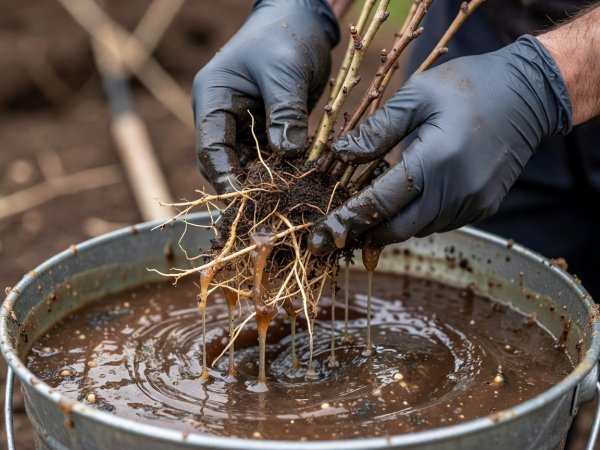
Hedgerow whip planting (hawthorn, blackthorn, hazel, spindle), orchard rootstock staking, winter woodchip mulching. | Root pruning inspection, mycorrhizal slurry dipping, biodegradable cane-tie sizing, embossed zinc tree tagging. | BS 8545:2014 (Trees: from nursery to independence in the landscape) |
| March – May (Spring Establishment) |
No-dig cardboard & compost sheet mulching, herbaceous pollinator plug planting, rain-swale marginal planting. | Plug tray root-teasing, pre-spacing bamboo gauge sticks, sowing brassica & sweet-pea modules in deep rootrainers. | Charles Dowding No-Dig bed prep protocols; RHS Pollinator list |
| June – August (Summer Stewardship) |
Installing 75L slow-drip irrigation collars, summer pruning espalier fruit, scything/raking wildflower meadow hay after seed drop. | Seed head harvesting into breathable paper sacks, botanical quadrat counting, repairing cold-frame louvers. | Plantlife Road Verge & Meadow cut-and-collect guidelines |
| Sept – October (Autumn Bulbs & Soil) |
Naturalising native spring bulbs (Narcissus pseudonarcissus, snakeshead fritillary), green-manure cover crop sowing. | Bulb grading and organic seaweed dust coating, garlic clove splitting, soil pH & texture jar testing. | Garden Organic green manure & overwinter soil cover guides |
Three High-Survival Community Planting Workflows
Select the workflow that matches your host venue and season.
Why it works for mixed groups: Digging out compacted couch-grass turf with spades exhausts backs and knees within 20 minutes and brings dormant weed seeds to the surface. Using the sheet-mulch "no-dig" method, teams convert a 20m x 1.5m grass verge into a thriving perennial border without turning a single sod.
Station A: Cardboard De-Tapers (Seated)
Strip plastic packing tape and staples from thick corrugated cardboard sheets and soak edges in water troughs.
Station B: Sheet Layer & Edging Crew
Overlap cardboard by 15cm directly over scalp-mown grass to block light, pinning edges with biodegradable willow pegs.
Station C: Compost & Rake Graders
Tip and level a 10cm blanket of PAS 100 green-waste compost and aged woodchip paths using lightweight aluminium landscaping lute rakes.
Station D: Matrix Plug Planters
Use hand dibbers to set out repeating drifts of Nepeta, Achillea, wild marjoram, and Verbena bonariensis at 30cm centres.
The Method: Planting 8 to 12 heritage fruit trees on MM106 or semi-dwarfing rootstocks alongside nitrogen-fixing and dynamic-accumulator companion guilds (comfrey Bocking 14, chives, yarrow, and red clover). Emphasises BS 8545 collar-height accuracy so no graft union is ever buried.
- The Graft-Line Rule: Every sub-team uses a bamboo sight-batten laid flat across the planting pit rim to verify the root flare sits flush with surrounding ground level.
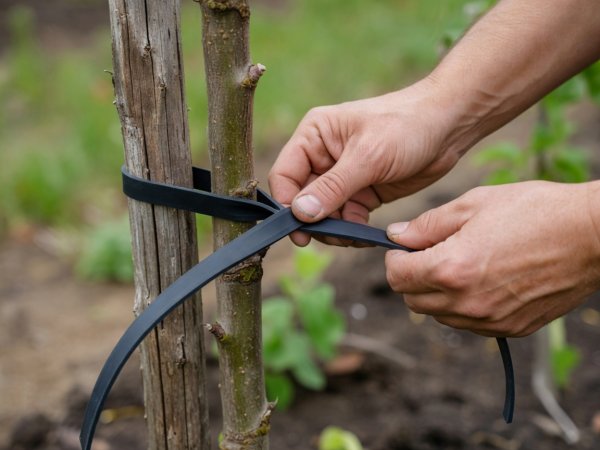
- Low-Angled Staking: Driving a single short stake at a 45-degree angle into the prevailing wind (or twin low stakes with flexible rubber figure-of-eight buckle ties) allows the upper trunk to flex and thicken naturally.
The Method: Refurbishing existing brick or timber courtyard beds at a community health hub. Teams refresh the top 15cm of tired substrate with organic leafmould, install high-contrast tactile plant markers, and plant non-toxic, touch-encouraged foliage such as Stachys byzantina (lamb's ears), lemon balm, chamomile, and rustling Briza media (quaking grass).
Leaving the Site Better Than You Found It
Before your coach or train departs, run our 15-minute Site Handover Protocol with the host warden:
- Tool Hygiene & Biosecurity: Brush soil off all spades and secateurs and spray blades with a diluted citric/biodegradable disinfectant (such as Virkon S or isopropyl alcohol wipes) so soil-borne pathogens like Phytophthora are never carried between sites.
- Plastic-Free Guarantee: Never install cheap brittle polypropylene spiral guards that shatter into microplastics after three winters. Supply wool-blend tree shelters, chestnut paling, or cardboard mulch mats.
- As-Planted Sketch Map: Hand the coordinator a laminated A4 map listing every cultivar and rootstock planted that afternoon in case external tags are moved by foxes or vandals.